




The History of Thanksgiving


On November 27th, families around the nation will be coming together for
Thanksgiving. There are many beloved traditions for us to celebrate as we enjoy the
week off school: gathering for Friendsgiving, showing gratitude to loved ones, watching
the Macy’s parade, playing football, and most importantly, enjoying a large dinner with
turkey, mashed potatoes, cranberry sauce, and pumpkin pie. While many people are
excited to commemorate a nostalgic autumnal holiday, not everyone knows and
understands the complete story behind Thanksgiving.
The idea of Thanksgiving most people are familiar with involves a feast between
the Pilgrim settlers and the local Wampanoag tribe of Plymouth, in what is today eastern
Massachusetts. The Pilgrims originally left England looking for religious freedom in the
New World, but struggled to survive through the winter of 1620. The Wampanoag
formed a friendship with the Pilgrims, and in exchange for each other’s assistance, they
agreed to hold a three-day dinner with harvested foods like turkey and corn. Years later,
we come together to eat in commemoration of this feast.
In reality, the actual events of the first Thanksgiving were quite different than
what is told. Half of the Pilgrims died over the harsh winter and most of their crops
failed. They decided to form an alliance with the Wampanoag out of a necessity to
survive. The Wampanoag had been weakened after other European colonists brought
diseases that left them vulnerable, and also needed protection from other rival tribes.
Additionally, the Pilgrims’ Thanksgiving dinner included goose, deer, squash, and
seafood like clams and lobster, with no turkey or pumpkin pie being served. It was
intended to be shared only among the Pilgrims, but once the Wampanoag saw them
celebrating and holding arms, they were invited as well. The two groups united for a
moment of brief peace.
Unfortunately, after the first Thanksgiving, relations between the English settlers
and the Wampanoag worsened. The settlers’ colony continued to expand on Indigenous
lands, which led to conflicts and massacres centuries after. Some see Thanksgiving as
one of the few moments of coexistence between the two.
It’s incredibly important to understand the history behind this season. It could be
said that Thanksgiving takes on a new meaning and identity in modern times, since it
represents being grateful for the people in our lives, instead of directly reflecting a
historical event surrounded by misconceptions. We wish everyone a happy
Thanksgiving!
You may be interested
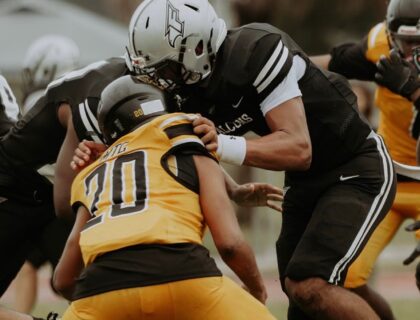
Krop V. Varsity
Julian Diaz-Gomez - Sep 18, 2026The Falcons kicked off their season in a dominant fashion, securing their 38–6 victory over theDr. Krop Lightning. The blowout win was a…
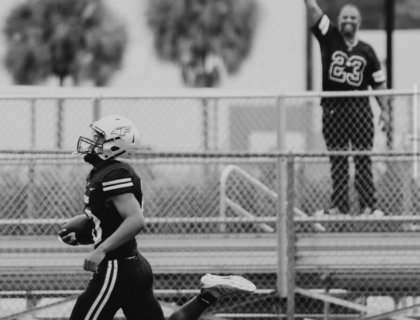
Varela v. Varsity Football Game
Jeanna Utt - Sep 16, 2026Following a strong start to the season, the Ferguson Falcons Football Team maintained their win streak after going against the Varela Vipers. On…
Ocarina of Time Remake
Fernando Venta - Sep 16, 2026It is the new hype, competing right next to GTA VI. The Legend of Zelda: Ocarina of Time has been a fan-favorite of…
Most from this category

Would Students Use the New MySpace?
Fernando Venta - Sep 10, 2026
Results of the 2026 Creative Arts Emmys
Adrian Ruiz - Sep 10, 2026
Our Picks
Would Students Use the New MySpace?
Fernando Venta - Sep 10, 2026Results of the 2026 Creative Arts Emmys
Adrian Ruiz - Sep 10, 2026
First Pep Rally
Valeria Zea - Sep 08, 2026Most Popular

Krop V. Varsity
Sep 18, 2026
Varela v. Varsity Football Game
Sep 16, 2026
Ocarina of Time Remake
Sep 16, 2026Would Students Use the New MySpace?
Sep 10, 2026