










The Pros and Cons of Daylight Saving Time

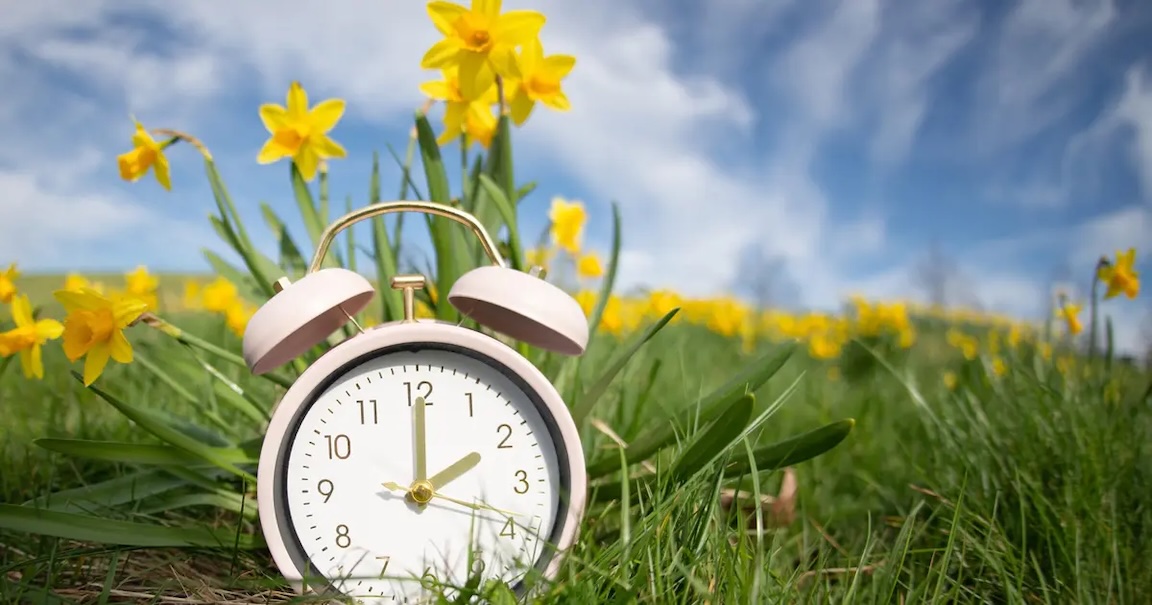
Every year in March, people across the United States change their clocks for Daylight Saving Time. This year, it began on March 8 at 2:00 a.m. and will occur again in November. Last week, the clocks moved forward one hour, which means we lost an hour of sleep. Even though it can be annoying to wake up feeling more tired, the idea behind Daylight Saving Time is to give us more daylight in the evening.
Daylight Saving Time occurs when clocks are set one hour ahead during the warmer months of the year. The main reason for this is to make better use of sunlight. People can spend more time outside, businesses can attract more customers, and artificial lighting at night might be less necessary when the sun stays out later in the evening. This was thought to help save energy in the past. However, many professionals now claim that energy savings are actually very small, and in some cases, there might not be any energy saved at all due to increased use of electronics or air conditioning.
The time change can mess with people’s sleep schedules, especially during the first few days. One way to adjust is to go to bed a little earlier than usual. Avoiding screens like phones or computers right before bed can also help because the light can make it harder to fall asleep. Another good idea is to get some sunlight during the day and stay active. The extra daylight in the evening is actually a good opportunity to go outside, exercise, or spend time with friends and family, especially in spring and summer.
Daylight Saving Time doesn’t exist everywhere in the world. While some nations use it, others do not. Some states, like Hawaii and a majority of Arizona, do not change their clocks. Because of this, depending on where you are, time differences can get confusing.
The question of whether Daylight Saving Time should be enforced permanently has caused a lot of discussion. Instead of changing the clocks twice a year, some lawmakers believe that we should maintain the same clocks throughout the year-round. Some argue that the current system functions well; however, the clock changes are still a part of our annual tradition for the time being.
Even if losing an hour of sleep is frustrating at first, the longer evenings and additional daylight can make spring and summer feel a bit more enjoyable. In November, we will gain an hour of sleep, and days will feel shorter. Until then, evenings will stay brighter for longer.
You may be interested

Krop V. Varsity
Julian Diaz-Gomez - Sep 18, 2026The Falcons kicked off their season in a dominant fashion, securing their 38–6 victory over theDr. Krop Lightning. The blowout win was a…

Varela v. Varsity Football Game
Jeanna Utt - Sep 16, 2026Following a strong start to the season, the Ferguson Falcons Football Team maintained their win streak after going against the Varela Vipers. On…

Ocarina of Time Remake
Fernando Venta - Sep 16, 2026It is the new hype, competing right next to GTA VI. The Legend of Zelda: Ocarina of Time has been a fan-favorite of…
Most from this category

Would Students Use the New MySpace?
Fernando Venta - Sep 10, 2026
Results of the 2026 Creative Arts Emmys
Adrian Ruiz - Sep 10, 2026
Our Picks
Would Students Use the New MySpace?
Fernando Venta - Sep 10, 2026Results of the 2026 Creative Arts Emmys
Adrian Ruiz - Sep 10, 2026
First Pep Rally
Valeria Zea - Sep 08, 2026Most Popular

Krop V. Varsity
Sep 18, 2026
Varela v. Varsity Football Game
Sep 16, 2026
Ocarina of Time Remake
Sep 16, 2026Would Students Use the New MySpace?
Sep 10, 2026